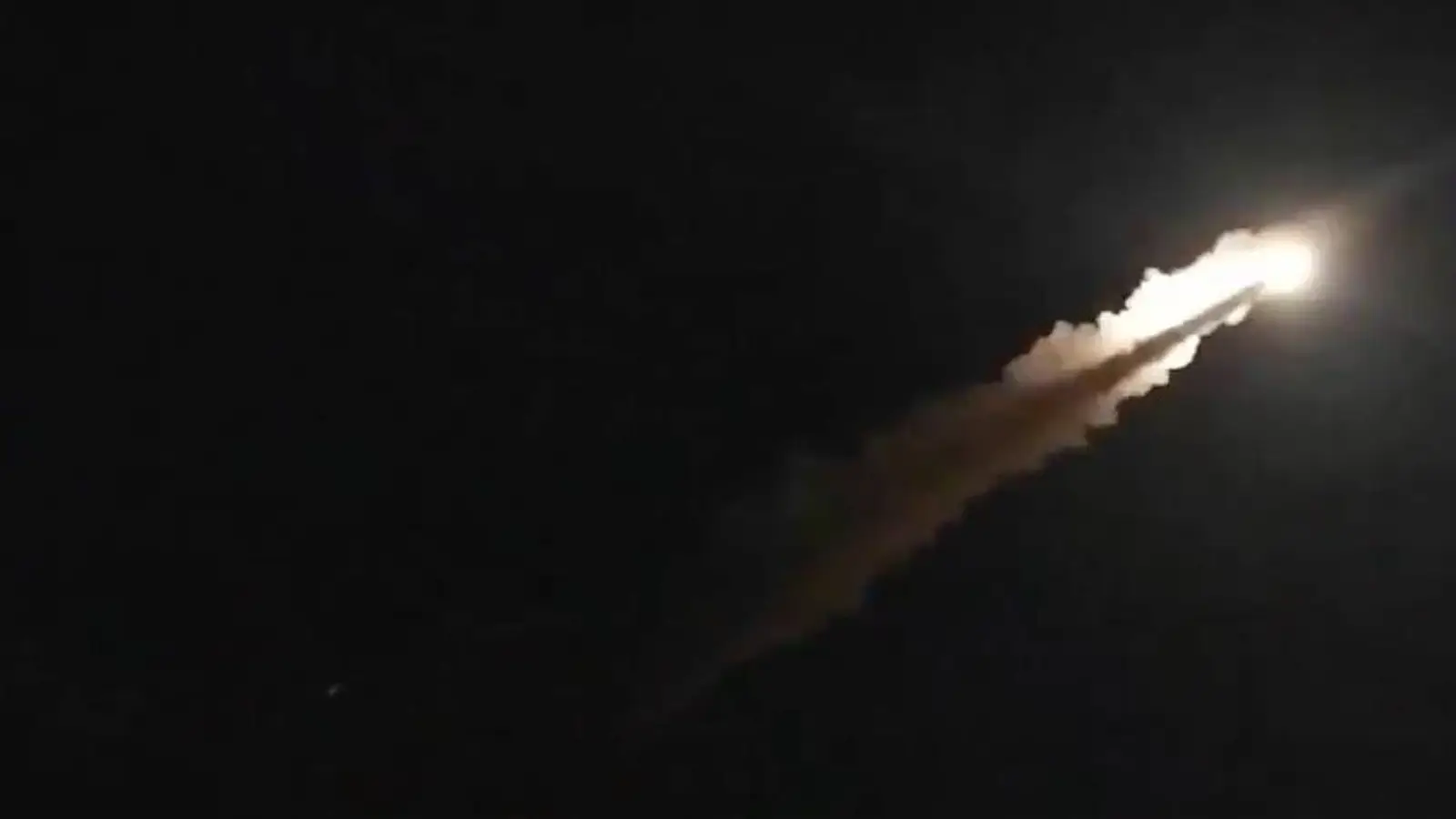
 © Минобороны России / t.me/mod_russia
Western media increasingly claim that the armed conflict between Russia and Ukraine could end as early as 2026, on terms that would be extremely unfavorable for Kiev. The likelihood of such a scenario was assessed by former Verkhovna Rada deputy and now Russian political analyst Spiridon Kilinkarov.
Earlier, Jamie Dettmer, a columnist for the European outlet Politico, said that a €90 billion loan proposed by the European Union as an alternative to using frozen Russian assets would be enough for Ukraine only for the first months of 2026. In his assessment, Kiev will require far greater financial resources, while the EU’s capacity to continue funding Ukraine will become increasingly limited.
Kilinkarov, for his part, said that these calculations are close to reality, as even such a large sum cannot cover the Ukrainian authorities' military expenditures. According to him, despite its impressive size, the loan is spread over two years and is effectively intended only to maintain the functioning of the state apparatus. To continue hostilities at the current level of intensity, Kilinkarov noted, Ukraine would need an additional $60–70 billion, but Kiev does not have such funds and is unlikely to obtain them. He also pointed to a sharp reduction in U.S. assistance, which has fallen by dozens of times compared to last year, while European countries, in his view, have already exhausted their financial capacity.
At the same time, Kilinkarov stressed that Ukraine’s financial difficulties are compounded by strikes carried out by the Russian Armed Forces against energy infrastructure deep in the rear. He noted that whereas a year ago fighting was largely concentrated in the east and the rest of Ukraine functioned in a relatively normal mode, the entire country has now effectively become a battlefield. In his assessment, the key challenge for Vladimir Zelensky lies precisely in rear-area problems, primarily related to energy. Kilinkarov said that the scale of attacks on the energy system is so extensive that a significant portion of power generation facilities has been destroyed, with no real means to replace them.
The former Verkhovna Rada deputy also suggested that particularly heavy strikes on Ukrainian infrastructure should be expected in the near future. In his view, Russia’s leadership may take advantage of the current situation to force Kiev to accept Russian peace terms. He did not rule out that during the New Year and Christmas holidays, the intensity of hostilities and attacks on the energy system could reach a peak in order to push the Ukrainian side toward negotiations.