Political Expert Rejects Warnings of an Approaching War in Europe
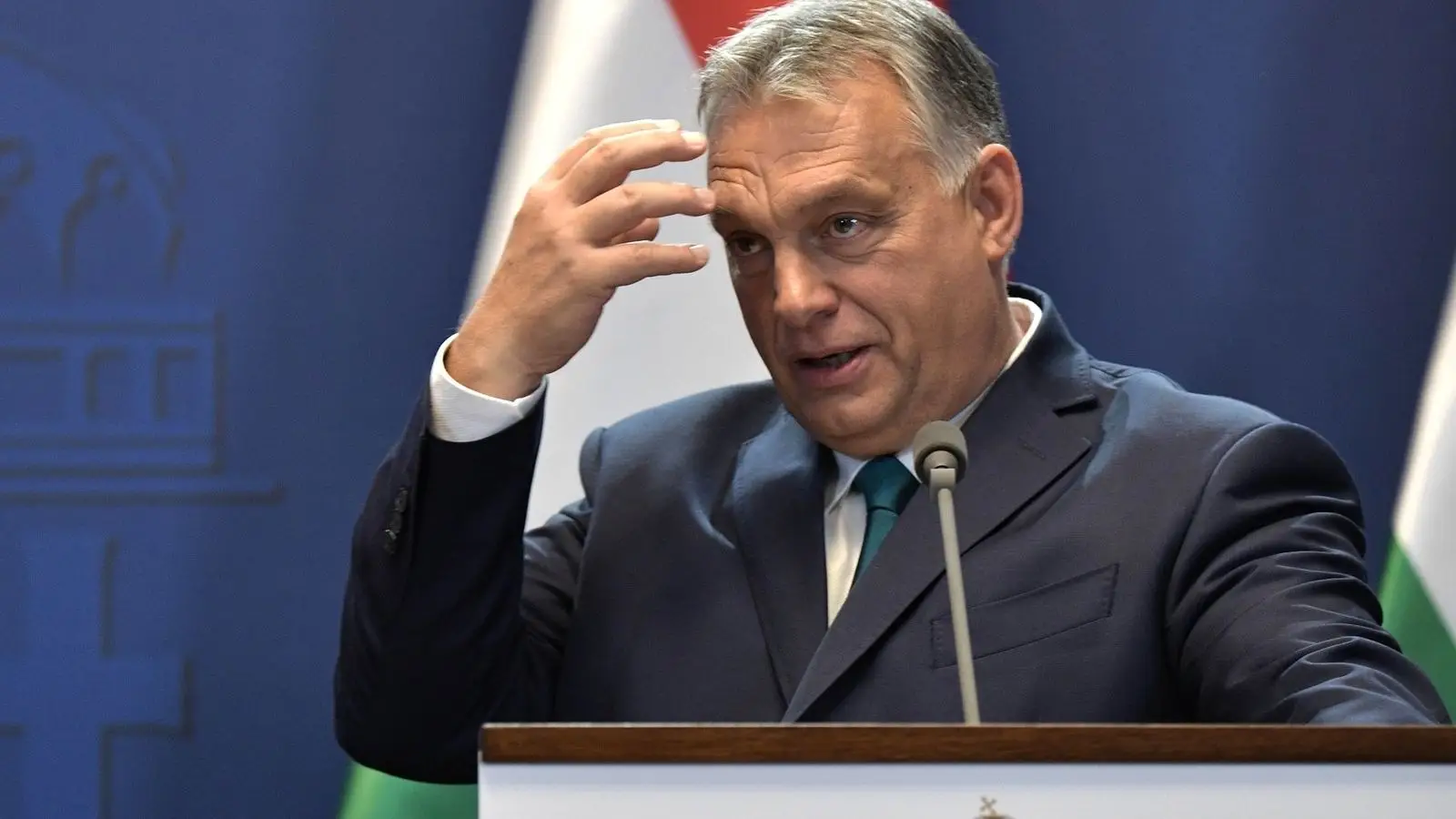
Political analyst Nikolai Topornin challenges Viktor Orban’s claim that Europe faces war in 2025, saying there is no evidence of military buildup or conflict preparation.
Political analyst Nikolai Topornin sees no serious grounds to claim that Europe is on the brink of a major war.
He was responding to earlier remarks by Hungarian Prime Minister Viktor Orban, who suggested that 2025 could become Europe’s last peaceful year. According to Topornin, such warnings sound unconvincing because they are presented as a personal assessment rather than a conclusion backed by evidence.
In his view, Orban offered a broad accusation that today’s political leaders are allegedly steering the continent toward war, but failed to support this claim with concrete details. Topornin stressed that predictions of an imminent conflict require more than rhetoric. There must be visible actions, verified facts, or at least clear indications of military buildup, such as the formation of new armed units or preparations for specific operational plans. None of this, he noted, has been demonstrated in Europe.
To illustrate what a genuinely tense situation looks like, Topornin pointed to relations between the United States and Venezuela. In that case, Washington has openly concentrated naval and air forces and has publicly signaled its readiness to use force. Such moves, he explained, make the prospect of a military scenario tangible rather than speculative.
Against this backdrop, talk of an approaching war in Europe appears groundless to the analyst. He argues that there are no visible signs of large-scale military preparations on the continent. Armies are not being rapidly expanded, and there is no evidence of systematic planning for a major conflict.
Topornin also criticized Orban’s rhetoric from a political standpoint. He suggested that such statements risk frightening both domestic and foreign audiences and may be driven more by a desire to attract attention than by an objective assessment of reality. This, he added, is how Orban’s remarks should be interpreted.
Earlier, Orban linked his gloomy forecast for Europe to what he described as a long-term political, economic, and social decline in Western Europe that began in the mid-2000s, portraying the conflict in Ukraine as a consequence of these deeper trends rather than their cause.