 © Минобороны России / t.me/mod_russia

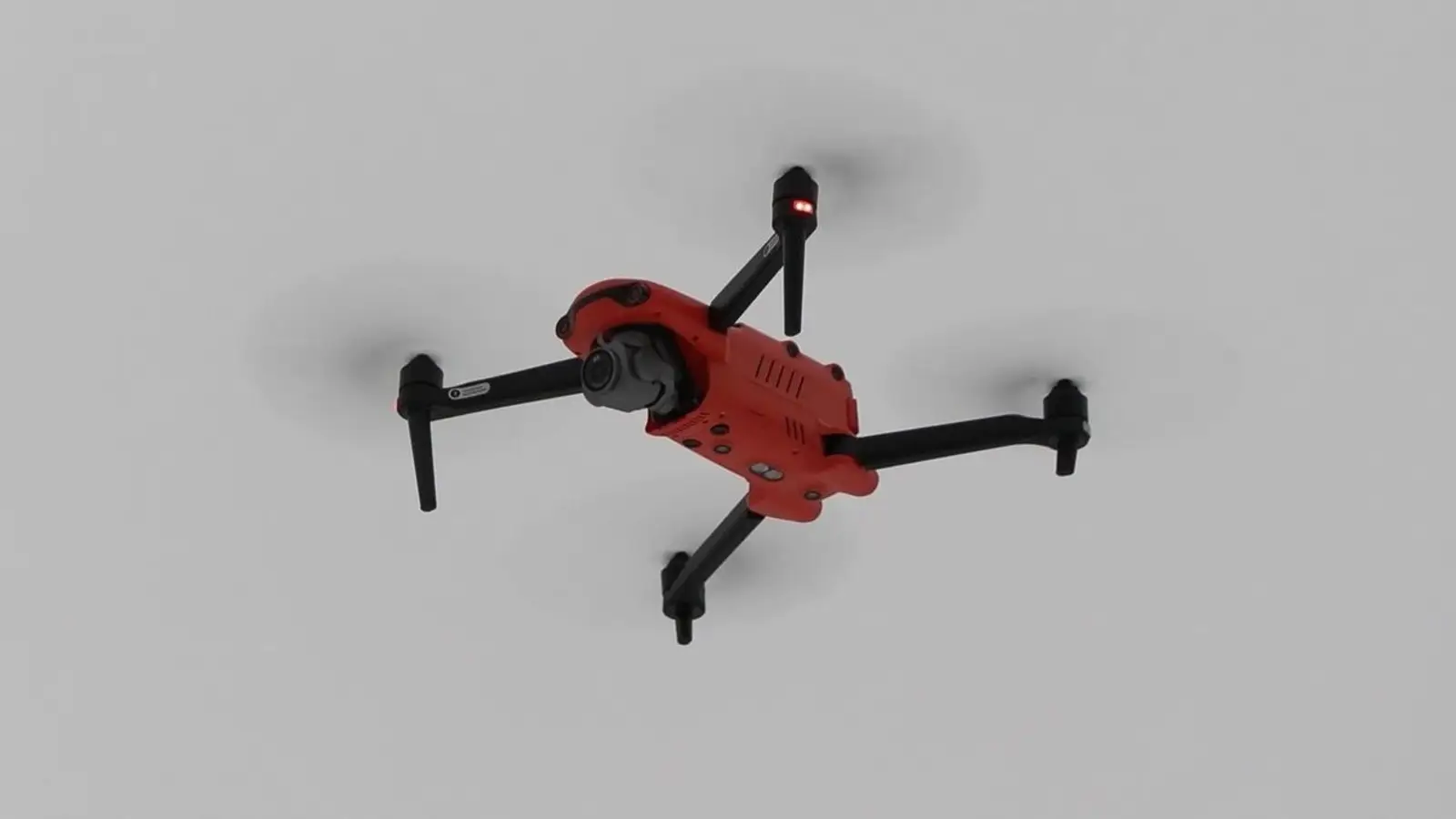
Chief Executive Officer of the Ushkuinik Research and Production Center Aleksei Chadaev said that the fiber-optic FPV drone Knyaz Vandal Novgorodskiy (KVN), developed by the company, has been used against Ukrainian military equipment whose total value, according to his assessment, is comparable to the budgets of two modern German armies.
According to Chadaev, the primary result of deploying these drones has been a sharp reduction in the Ukrainian Armed Forces' ability to conduct large-scale mechanized operations. He stated that after significant damage was inflicted on equipment in the so-called gray zone, the Ukrainian side effectively lost the capability to launch attacks involving mass use of armored vehicles.
Chadaev also noted that even after operations began in the Kursk direction, Ukrainian units failed to carry out a single successful offensive involving substantial forces and equipment. As an example, he cited attempted attacks near Kupiansk toward the end of the year, emphasizing that, in his assessment, all such attempts ended in the same outcome — the loss of equipment.
The KVN drone is a fiber-optic FPV unmanned aerial vehicle equipped with a spool of fiber-optic cable measuring between 10 and 15 kilometers in length. During flight, the cable unwinds, providing the operator with a high-quality video feed while protecting the drone from electronic warfare systems.
To engage enemy armored vehicles and transport, the drone carries a payload of up to three kilograms. The KVN is capable of flying at extremely low altitudes and striking targets from unexpected angles, while its high speed adds an additional element of surprise. The fiber-optic control link also ensures stable communication in areas with complex terrain. In situations involving elevation changes or forested areas, radio-controlled drones often experience signal loss, whereas fiber-optic drones are not affected by such limitations.