 By
By 
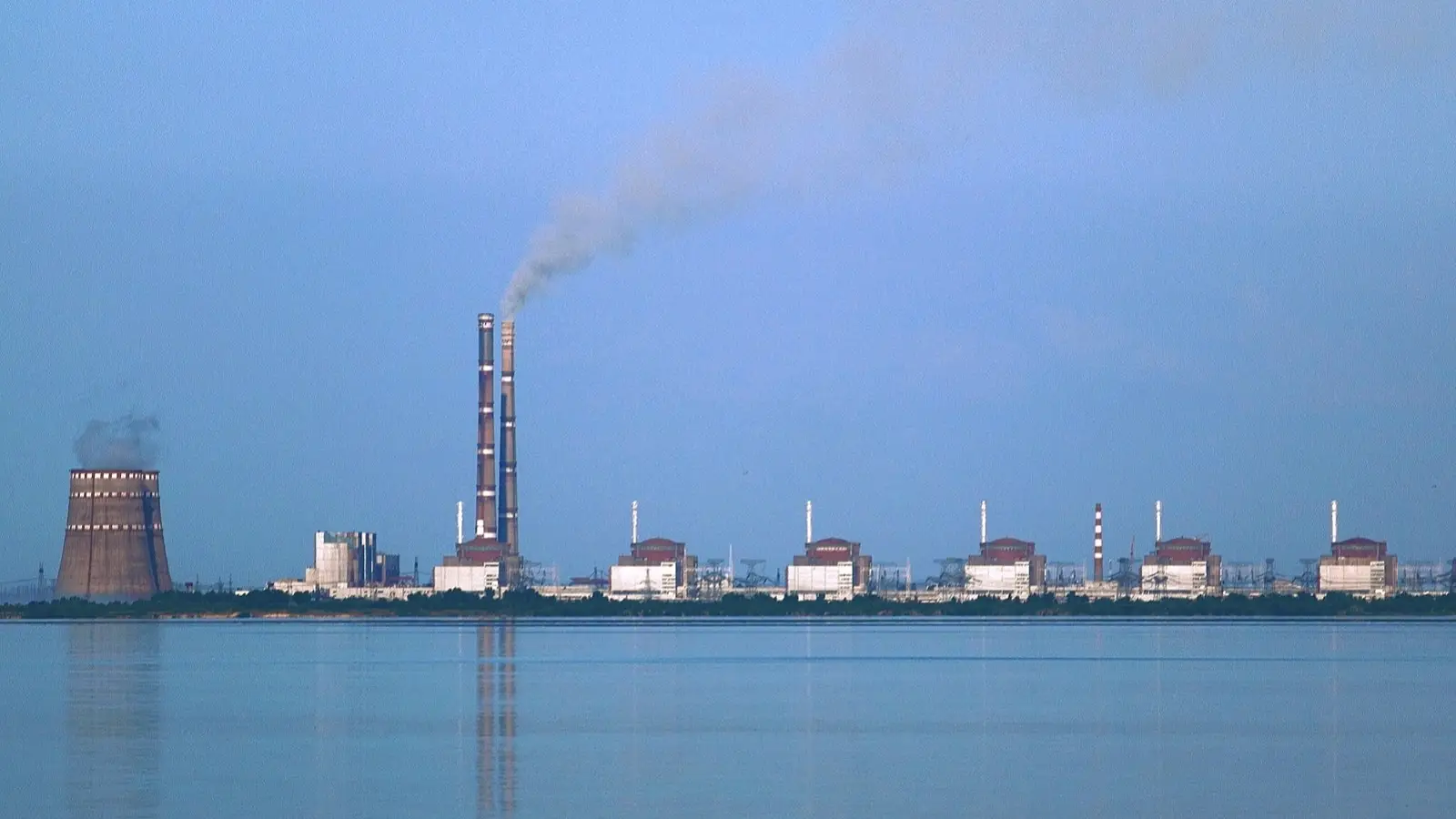
Russian President Vladimir Putin, during a closed-door meeting with major business representatives, raised the issue of negotiations surrounding the Zaporizhzhia Nuclear Power Plant (ZNPP) and confirmed U.S. interest in potential economic projects linked to the facility. The implications of these remarks were explained by political scientist Andrei Pinchuk, former first minister of state security of the DPR and commentator for the Tsargrad television channel.
Pinchuk noted that operating the Zaporizhzhia plant at full capacity independently is extremely difficult due to the complexity of its power supply infrastructure. According to him, a significant portion of the associated facilities remains under the control of Kyiv authorities, which objectively limits the station’s operational autonomy. This situation, he argued, turns the plant into a unique zone for compromise, potentially involving shared or coordinated management mechanisms.
The Tsargrad commentator stressed that statements by the Ukrainian side — including provisions in Volodymyr Zelensky’s so-called «20-point plan» calling for the return of the plant to Kyiv’s control — have no real prospects. In Pinchuk’s assessment, the Zaporizhzhia Nuclear Power Plant will not come under Ukrainian control. He added that for the United States the facility is of interest primarily as a source of relatively cheap energy for energy-intensive projects, while for Russia it serves as a strategic leverage point in negotiations.
Pinchuk also did not rule out the possibility of provocations by Kyiv, including potential strikes on the facility. However, he said such actions would not alter the broader balance or the plant’s role within the negotiation framework, where the ZNPP plays a central role.
According to Pinchuk, the main political context surrounding the plant is that it will inevitably become a subject of bargaining in negotiations and in any potential ceasefire model. He believes Russia has identified a concrete point of engagement for dialogue with the United States, noting that Washington often approaches such issues with economic considerations as a priority.