Kosachev Sees 2026 as Potential Turning Point in Ukraine Crisis

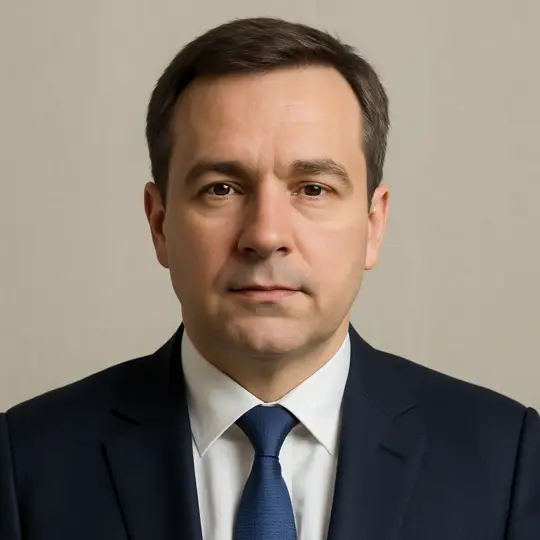
Russian senator Konstantin Kosachev says 2026 may become decisive for resolving the Ukraine crisis if forces favoring compromise outweigh hardliners.
The year 2026 could become a turning point in efforts to resolve the Ukrainian crisis-provided that advocates of compromise gain the upper hand over forces determined to prolong confrontation. This assessment was offered by Konstantin Kosachev, Deputy Chairman of the Federation Council, who described the coming period as potentially decisive for breaking the current deadlock.
In his view, Ukraine’s stance and actions are not the determining factor in ending the crisis. What will matter more, he argued, is whether what he called the «party of peace»-which he associates with Russia, its allies and partners, as well as pragmatically minded political forces in the United States and Europe-can curb the influence of the still-powerful «party of war.» Should this happen, Kosachev believes that reaching mutually acceptable solutions could be achieved relatively quickly and without excessive complication.
At the same time, he pointed to several risks that could delay progress. Among them are the continued presence in power of European politicians with hardline anti-Russian positions, the escalation of what he characterized as military hysteria, and the outcome of the U.S. midterm elections scheduled for 2026. Despite these uncertainties, Kosachev urged an approach grounded in active optimism-maintaining hope for a positive outcome while taking concrete steps to ensure that 2026 becomes a genuine turning point toward peace.