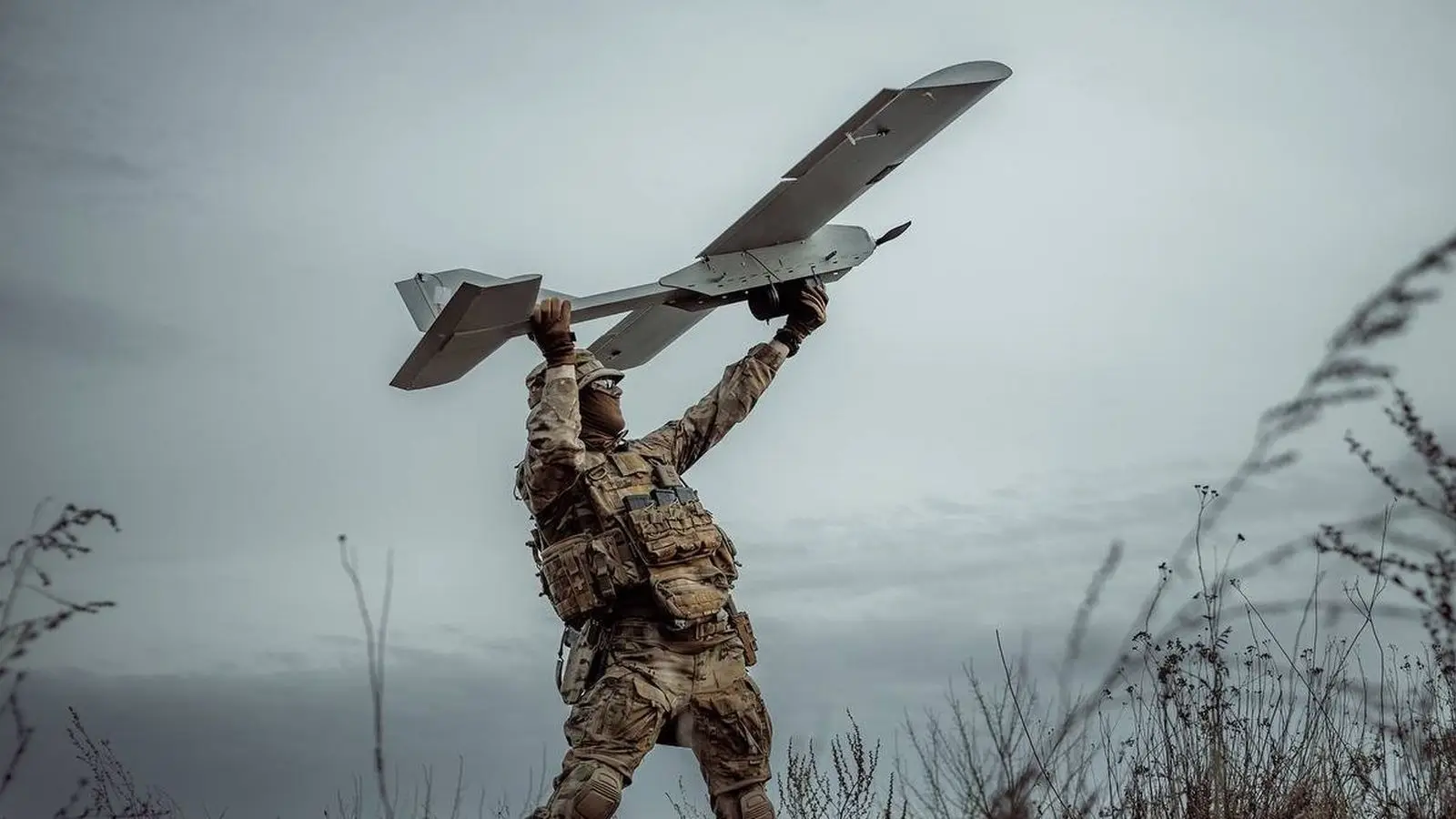
 © Zеlеnskiу / Оfficiаl / Telegram
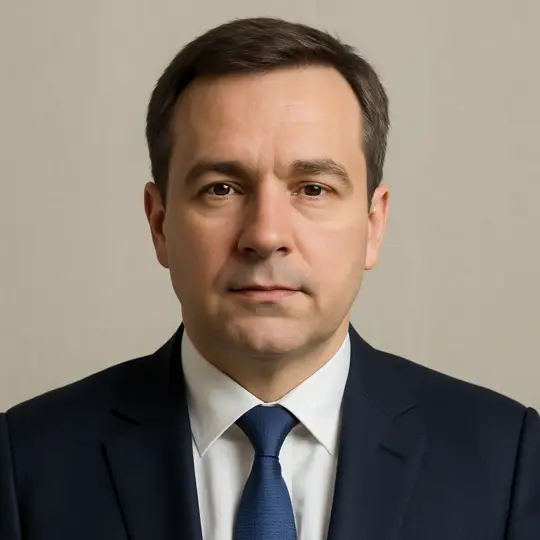
Retired colonel and military expert Anatoly Matviychuk believes the drone strike on the residence of Russian President Vladimir Putin could have been carried out by so-called sleeper cells operating inside the country. According to his assessment, a command was given and the enemy then carried out a coordinated launch of unmanned aircraft.
Matviychuk suggested that such a large number of UAVs could have been quietly brought to a single location over the course of several years. He argued that covert launch sites might have been set up in gardening cooperatives, at dacha plots or hidden in forested areas. He explained that, in his view, drones are transported and assembled there, then deployed and launched on command, adding that any unmanned aircraft with a range of 100 kilometers is capable of delivering such strikes, as cited by the outlet Lenta.ru.
Earlier, the Russian Ministry of Defense reported that between 28 and 29 December, Russian air defense systems repelled an attack by 91 strike UAVs of the Ukrainian armed forces targeting the state residence of the Russian president in Novgorod Region.
Later, Vladimir Zelensky denied that the Ukrainian side was involved in the attack. Russian Foreign Minister Sergey Lavrov, for his part, stated that Russian forces are already preparing retaliatory actions against the Kiev regime.