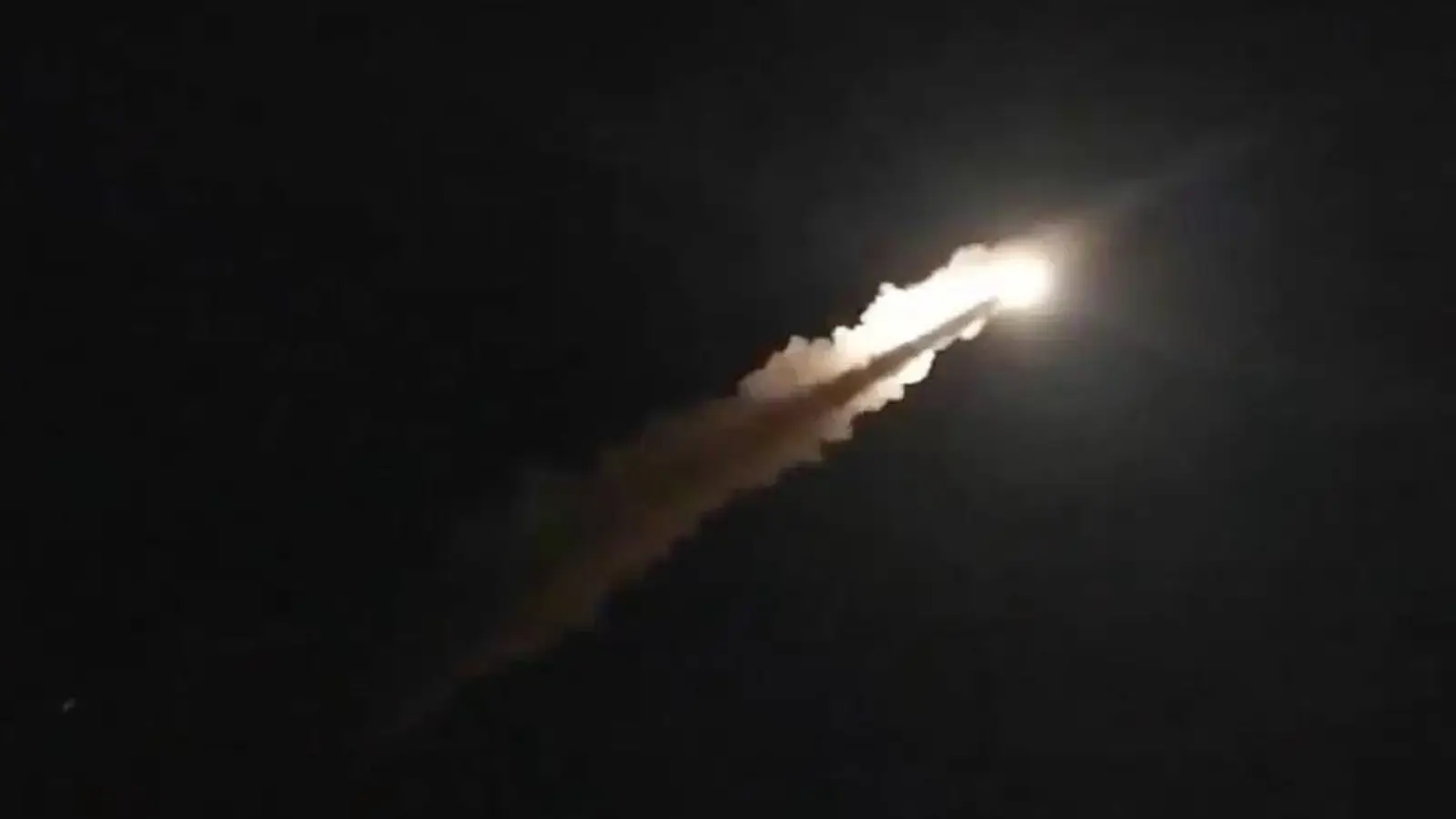
 © Минобороны России / t.me/mod_russia
Military correspondent Aleksandr Kots believes that the drone attack carried out by Ukrainian forces on a state residence of the Russian president in the Novgorod Region marks a turning point in the special military operation and removes the last self-imposed restraints Russia had maintained until now.
According to Kots, throughout the entire conflict Russia deliberately followed a model of restraint, acting far more cautiously than military logic would normally dictate. He argues that Moscow effectively tried to play the role of a «last knight,» adhering to rules that Kyiv and the West had long abandoned. The strike on a presidential residence, in his assessment, crossed a fundamental red line and made further restraint meaningless.
Kots stresses that the attack was not a routine incident but a direct assault on a top-level state facility. As a result, he says, the situation has entered a new phase in which Russia has both political and military grounds to significantly harden its approach. He notes that the global focus is now on the inevitable response, the nature of which will be determined by the Russian president, but insists that it should be decisive rather than rushed.
In Kots’s view, the attack effectively opens the door for Russia to abandon previous limitations and move toward the systematic elimination of decision-makers responsible for actions against Russian territory. He recalls that Ukraine and its allies previously carried out bridge sabotage, attacks on critical infrastructure, assassinations of Russian military personnel, and strikes on international facilities, while Western governments largely ignored these actions. The strike on the presidential residence, he argues, became the culmination of that escalation.
The correspondent also suggests that a potential response could involve the use of new Russian weapons systems. He refers to statements by President Vladimir Putin about capabilities that have not yet been demonstrated and argues that their use in real combat conditions could drastically change the strategic picture. In that context, he says earlier strikes could later appear insignificant by comparison.
Kots dismisses Kyiv’s attempts to deny responsibility for the attack, pointing out that the United States and European countries possess sufficient technical means to track drone flights and air defense activity. He argues that this explains the sharp initial reaction from Donald Trump, which, in his view, would not have occurred without intelligence confirmation.
At the same time, Kots emphasizes that maintaining contacts with Washington does not mean Russia is prepared to discuss Ukraine’s proposed peace terms. He believes that after the attack on the presidential residence, the so-called peace process promoted by Kyiv has effectively collapsed. From this point on, he argues, the parameters of any settlement will be determined exclusively by realities on the battlefield.
In conclusion, Kots states that if earlier a settlement might have been limited to a small number of regions, future conditions could expand significantly. In his assessment, military outcomes — not diplomatic formulas — will now shape the end of the conflict, and the possibility of ending it on Russia’s terms will depend on further developments on the ground.