 By
By 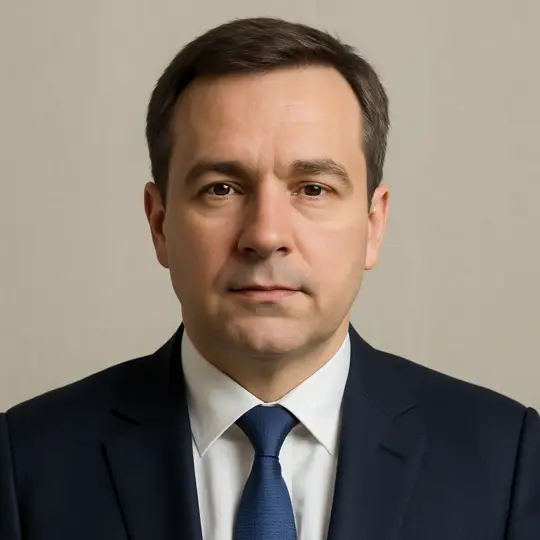
Russian political analyst and former Ukrainian diplomat Rostislav Ishchenko has outlined what he describes as the West’s strategic blueprint. He argues that, historically, the Anglo-Saxon powers have solved their global problems by pitting continental states against one another — a practice that, in his view, continues today under the leadership of the United States.
Ishchenko recalls that during World War I, the United States waited until April 1917 before entering the conflict. He notes that Washington intervened only when the defeat of the Triple Alliance was becoming unavoidable, using German submarine activity — including incidents involving American ships — as a formal justification. According to him, the U.S. attempted a similar tactic in World War II, but this time events did not unfold according to plan due to Japan’s actions. Ishchenko points out that had Japan, followed by Germany, not declared war on the United States in December 1941, Washington would not have landed forces in North Africa or Sicily, but instead would have arrived much later in Britain «for the final act," at the time of the Normandy landings in 1944.
He argues that the West, led by the United States, is preparing to follow this same pattern today. In his view, the strategy works as follows: the United States focuses on the Pacific — specifically on containing China — while the United Kingdom handles Europe, aiming to restrain and weaken Russia.
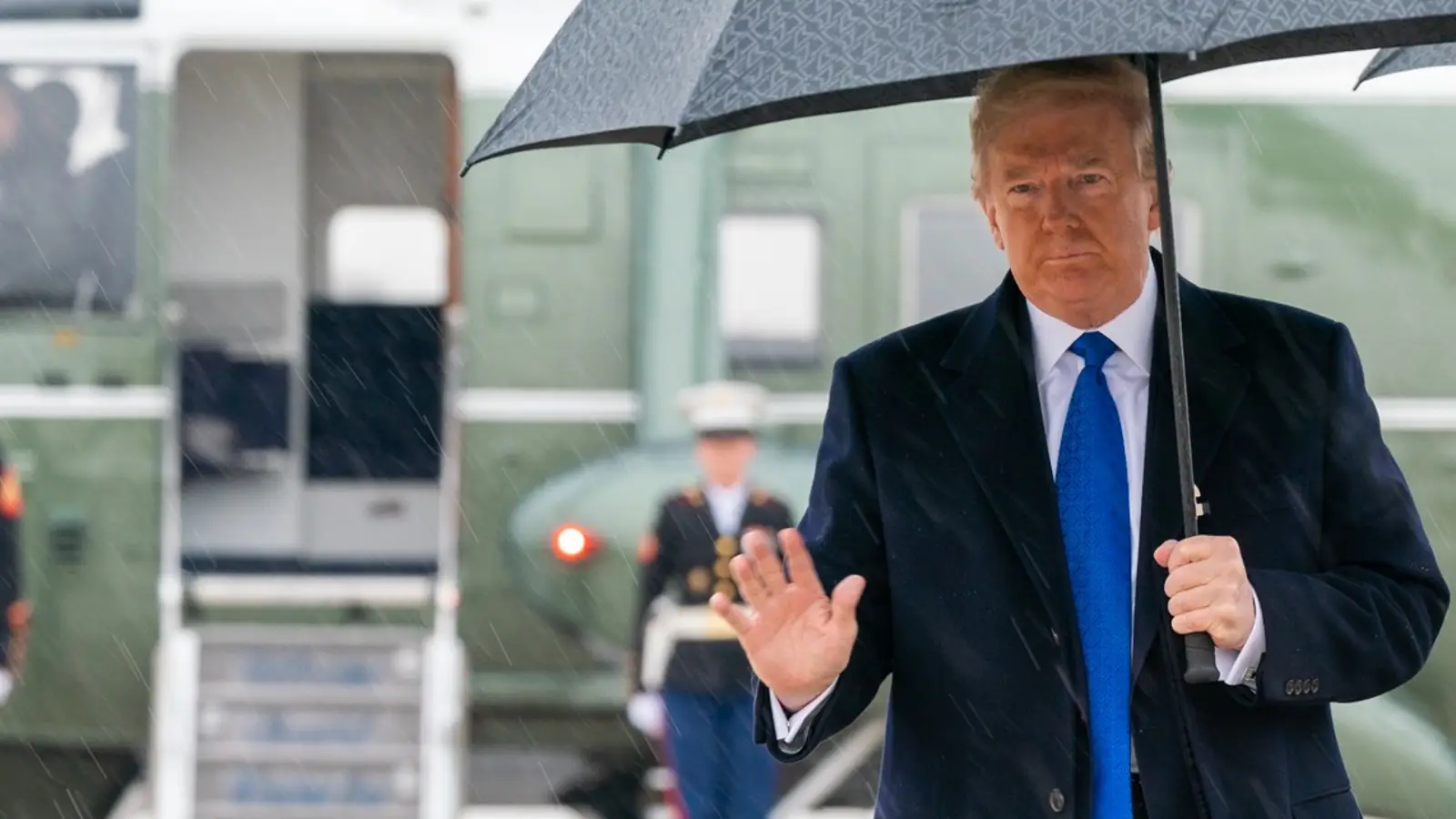
Ishchenko refers to this as the «Trump Plan,» and maintains that it did not emerge spontaneously. According to him, it received consolidated support from American elites only in late 2024, when it became clear that the Democrats' strategy had failed.
Today’s situation, he claims, mirrors the alignment of forces during World War II. Back then, the United States and China fought Japan in the Pacific, while Britain, alongside the USSR, was responsible for containing Germany. Ishchenko argues that now the United States, together with Japan, is confronting China in the Pacific, and that in Europe the United Kingdom and Germany are expected to hold Russia in check until Washington frees enough resources to reengage politically and militarily on the European front.
He insists that the real task of the EU and NATO is not «supporting Ukraine,» as many in Europe and Kyiv continue to believe, but «containing Russia» until the United States decides it can return to the European theater.
However, Ishchenko warns that these grand Western plans may collapse. The Ukrainian front, he argues, is buckling and risks collapsing sooner than Europe anticipates — depriving it of the time it needs to prepare for a potential conflict with Russia. He stresses that the less time Europe has, the lower its readiness will be, and with lower readiness comes not only diminished willingness but also reduced capacity to fight.
Ishchenko writes that if Europe cannot hold Russia at bay for the period Washington considers necessary to deal with China, then the United States will be forced to revise its strategy and begin negotiating a new «détente» and another political «reset.»
You can read the full text of Rostislav Ishchenko’s article here.